


🥗✨Cute fruit-shaped dishwashing sponge brush🧴🍲
🥗✨Cute fruit-shaped dishwashing sponge brush🧴🍲


🍎 Fruit-Inspired Design
💧 Expands With Water
🫧 Absorbent Cellulose Material
✋ Comfortable Handheld Shape
🍽️ Multi-Surface Kitchen Use
Couldn't load pickup availability

🥗✨Cute fruit-shaped dishwashing sponge brush🧴🍲



From Flat To Ready In Seconds
Water-Activated Cellulose Expansion
The sponge arrives in a compressed form and begins expanding when placed in water. Once fully wet, it transforms into a thicker, soft cellulose sponge ready for daily kitchen cleaning.
Compact Before Use
Easy to store before opening.
Absorbs Water Easily
Cellulose material is naturally suited for water-based cleaning.
Satisfying Expansion Experience
A simple everyday sponge with an unexpectedly fun first-use moment.

Built For Everyday Kitchen Messes
Clean Grease, Crumbs & Daily Residue With Less Fuss
Use the sponge with your preferred dish soap to lift everyday food residue, grease, and kitchen mess from commonly cleaned surfaces.
Its soft cellulose construction makes it suitable for many routine kitchen surfaces, while the absorbent structure helps distribute water and cleaning solution as you wipe.

A Sponge You’ll Actually Want To Leave By The Sink
Cute Fruit Shapes Meet Comfortable Grip
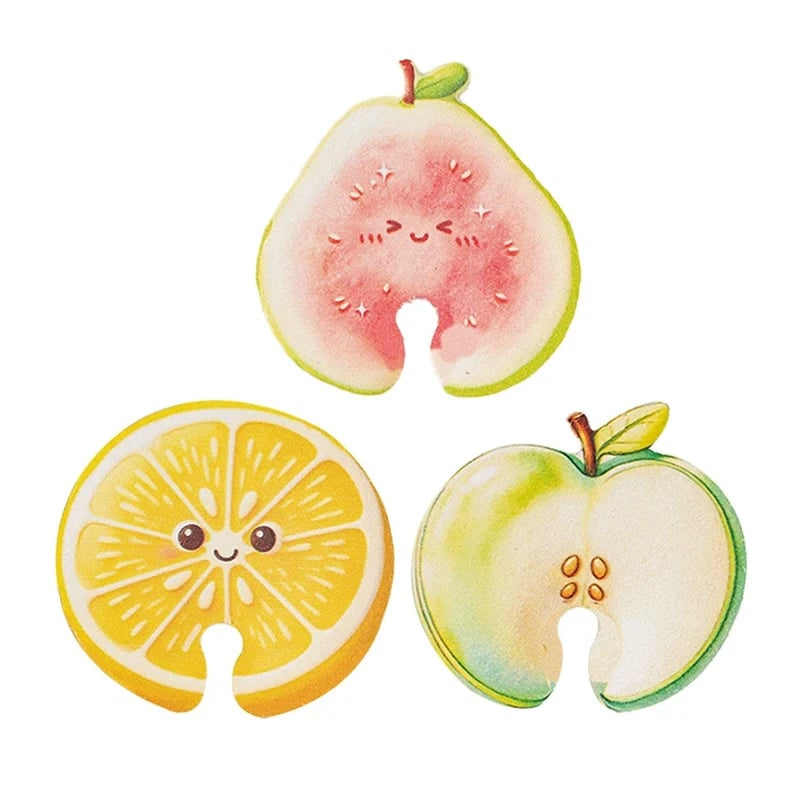
Apple, guava, and lemon-inspired shapes give an ordinary cleaning essential a cheerful upgrade.
The rounded shape fits comfortably in the palm, making it easier to hold while washing dishes, wiping countertops, or cleaning around the stove.
- Fun On The Counter
- Comfortable To Hold
- Three Fruit Styles
★★★ Loved by 10,000+ Customers ★★★
-

“Much Cuter Than My Old Sponges”
I bought the lemon set because I wanted something less boring next to the sink. Once soaked, they expanded nicely and felt comfortable in my hand. I mostly use them for dishes and wiping down the counter after cooking. They’re simple, but the fruit shape genuinely makes the kitchen look a little more cheerful.
-

“Nice Size For Everyday Dishes”
The apple shape fits my hand better than some of the thin rectangular sponges I’ve used before. It holds enough water and soap for my normal dishes, cups, and pans. I also like that the pack comes with three, so I can keep a fresh one ready.
-

“A Small Upgrade That Makes Cleaning More Fun”
I didn’t expect to care this much about the shape of a dish sponge, but these are adorable. I use mine every night after dinner and it works well for my normal kitchen cleanup. Just make sure to squeeze it out and let it dry after using it.


FAQ
What is this sponge made from?
What is this sponge made from?
It is made from wood pulp cellulose sponge material. It arrives compressed and expands after absorbing water.
How do I expand the sponge before first use?
How do I expand the sponge before first use?
Place the compressed sponge in water and allow it to absorb moisture until it reaches its normal expanded shape.
Can I use it on cookware?
Can I use it on cookware?
It can be used on many common kitchen surfaces and cookware. Because finishes vary, test the sponge on a small inconspicuous area before using it on delicate, polished, or coated surfaces.
How should I care for the sponge after use?
How should I care for the sponge after use?
Rinse it thoroughly, squeeze out excess water, and allow it to dry in a ventilated area. Avoid leaving it continuously soaked in water.
Can I put it in boiling water?
Can I put it in boiling water?
No. Avoid boiling water and high-temperature heat sources because excessive heat may damage or deform the material.